The Death Of Cash
Physical cash has a use-by date — tracing the shift from dollar bills to credit cards to PayPal, Cash and Google Wallet, and what it means for how we'll pay next.
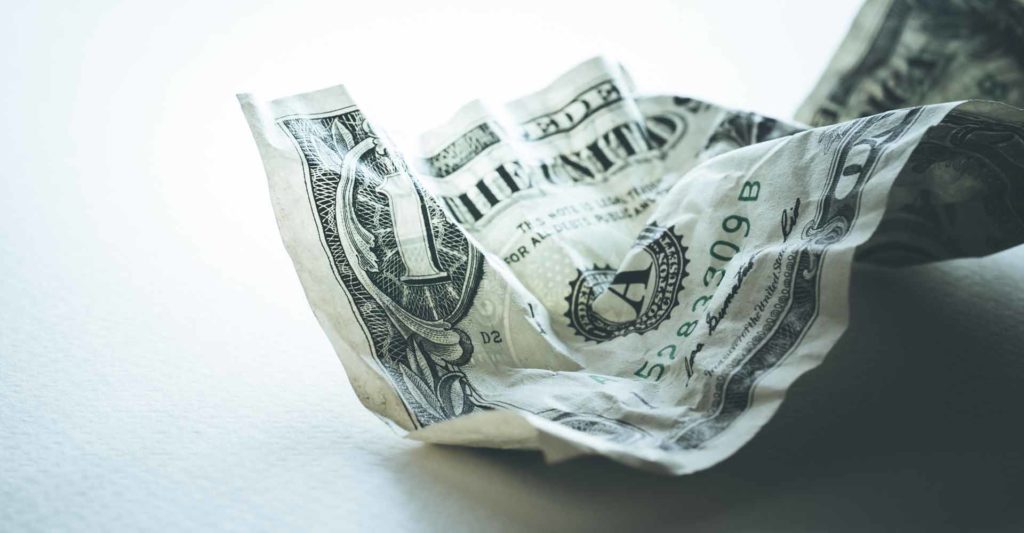
Cash in its current form is on the way out.
Our takeWhy Physical Cash Is Losing Its Grip
Money feels essential to daily life, but in the scope of human history it's a recent invention — modern humans have been around for roughly 200,000 years, while the basic concept of money only dates back to around 700 BC. The American dollar itself began on February 3, 1690, and cash has powered commerce ever since.
What's changing now is technology. Banks already hold most savings as investments rather than physical cash, and inflation steadily erodes whatever sits in a wallet. Cash's last real stronghold was day-to-day spending — until the credit card arrived in the 1950s and started chipping away at even that.
Credit cards solved a lot of cash's problems — safer from theft, more compact, able to earn money back — but their transaction fees meant cash stayed essential for one thing: moving money between people for free. That held until PayPal launched in 1998, followed by apps like Cash and Google Wallet, which let people exchange money safely without the fees a credit card would charge.
Cash in its current form is on the way out, and every year makes the transition a little easier: paying back a friend, splitting a bill or covering a shared cost increasingly happens with a tap rather than a physical bill changing hands.
The Transition Is Already Underway
Physical cash isn't gone yet, but the tools now available — credit cards, PayPal, Cash and Google Wallet among them — make it easier every year to leave paper money behind.