Big Fig Mattress Review
A firmer, coil-and-foam hybrid engineered specifically for heavier sleepers, put through roughly double the industry-standard durability test before it ever reached a bedroom.
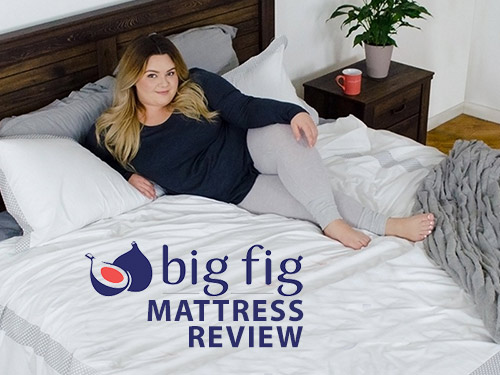
A firmer bed that doesn't lose its softness.
Our reviewerA Mattress Built for a Sleeper Category the Industry Ignores
Most mattresses are engineered around a 100-to-250-pound sleeper, leaving a sizeable share of shoppers without a bed that actually holds up to their weight. Big Fig set out to fix that specifically, building a firmer 7-out-of-10 bed on high-density foam and spring coils rather than chasing a plush, sink-in feel.
There's still a gel-infused latex foam layer on top for comfort, giving around 3 inches of sinkage that varies with the sleeper's weight, but this is a support-first mattress rather than a pillow-top. The poly foam layer disperses weight evenly across the coils underneath, and the resulting bounce genuinely makes it easier to get in and out of bed — a real consideration for heavier sleepers.
Heat is a common complaint for larger sleepers, and Big Fig addresses it with a ThermoGel top layer alongside the gel-infused latex, both aimed at improving airflow and pulling heat away from the body; we noticed a cooler night's sleep as a result.
The standout claim is durability: Big Fig put the bed through 200,000 compression cycles under a heavy roller — roughly double the industry-standard test of 100,000 cycles with a 240-pound roller — and it lost almost no height afterward. At $1,699 for a queen, it costs more than average, but for a sleeper the standard mattress industry has largely overlooked, that durability is the whole point.
Why We Love It
- Extremely durable — held up through 200,000 roller cycles with almost no height loss
- Highly responsive, helpful for larger sleepers getting in and out of bed
- Higher firmness and support built for heavier sleepers
- Gel-infused latex and ThermoGel layers designed for a cooler sleep
Considerations
- May be too firm for lighter sleepers
- Queen starts at $1,699, higher than average for the mattress industry
Our Hands-On Review
The Big Fig gives around 3 inches of sinkage, though that figure shifts depending on the sleeper's weight — the high-density poly foam layer spreads weight evenly across the coils rather than letting any one point sink too far. That same construction makes the bed noticeably bouncy for a foam-and-coil hybrid, which made getting on and off the bed easier than we expected from a firm mattress.
Rigorous, Real Durability Testing
Big Fig ran its mattress through 200,000 compression cycles with a heavy roller — about double the industry-standard test of 100,000 cycles with a 240-pound roller — and reported almost no height loss afterward. That's a meaningfully tougher bar than most beds are tested against.
We Recommend This To Readers Who:
-
Are a heavier sleeper who needs a more durable bed
Big Fig's mattress goes through the toughest testing in the industry, with almost no resulting height loss.
-
Need more support than a standard bed offers
Most mattresses target lighter sleepers; the Big Fig is built specifically for the support heavier sleepers need.
-
Have trouble getting in and out of bed
The spring coils and high-density foam combine for a genuinely responsive, bouncier feel.
A Closer Look


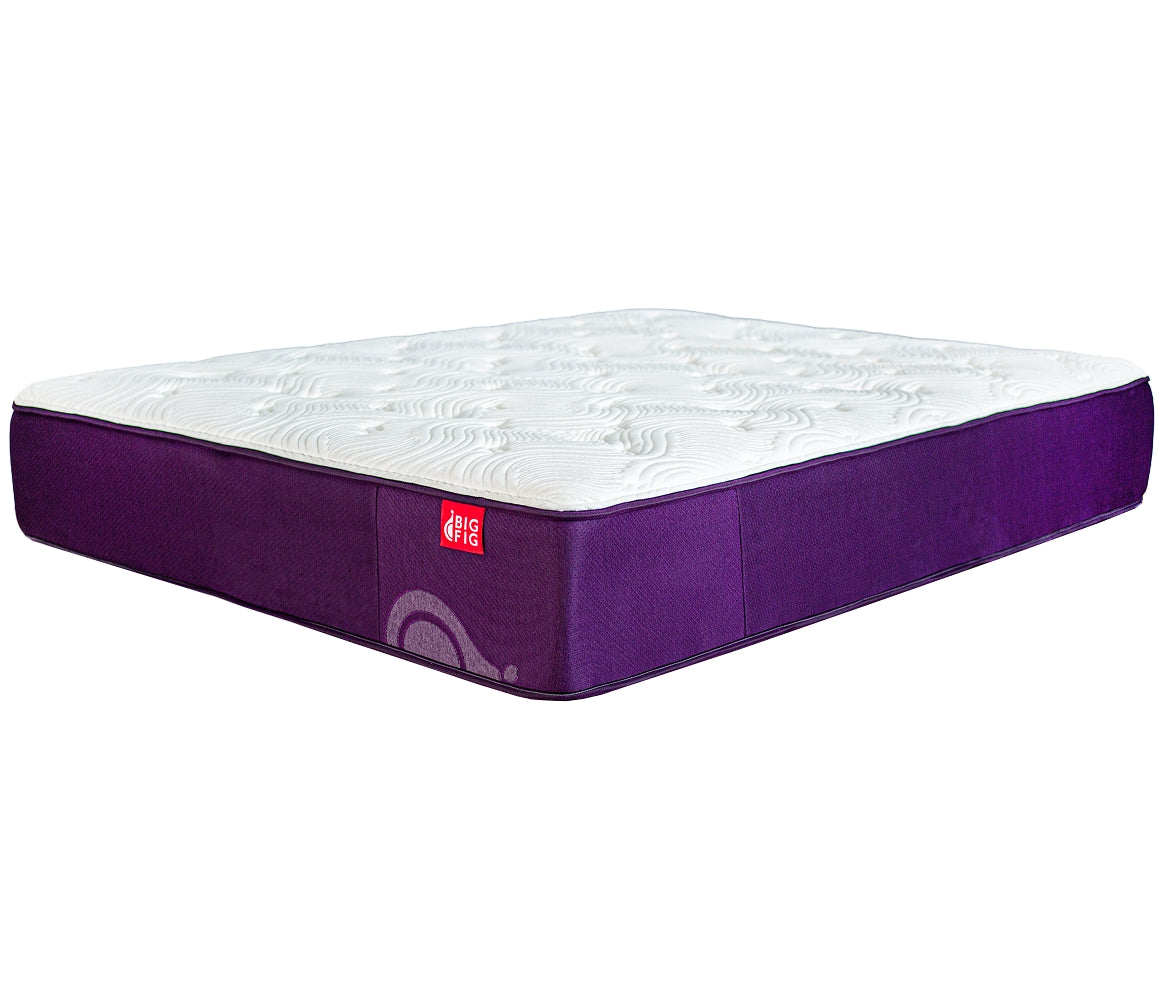
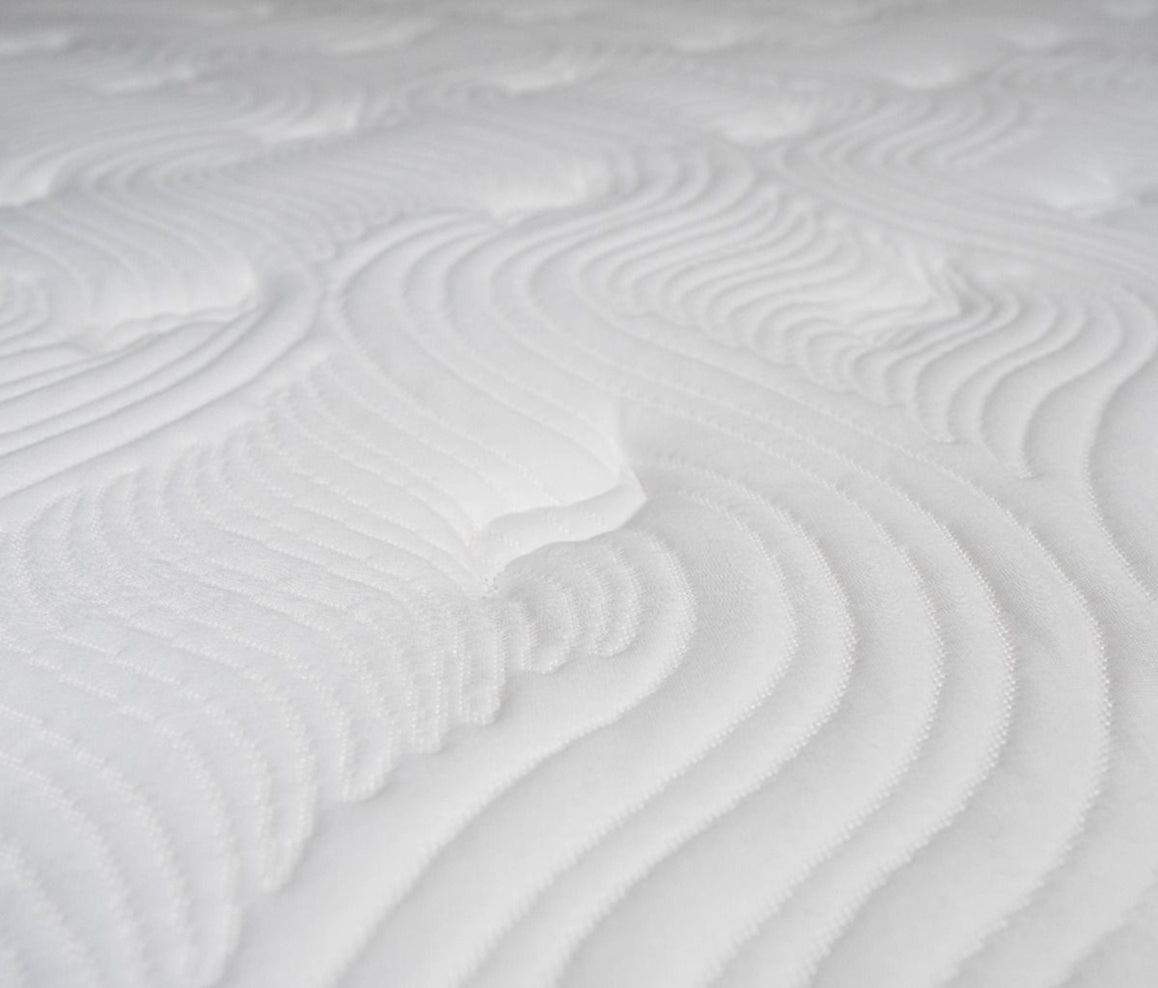
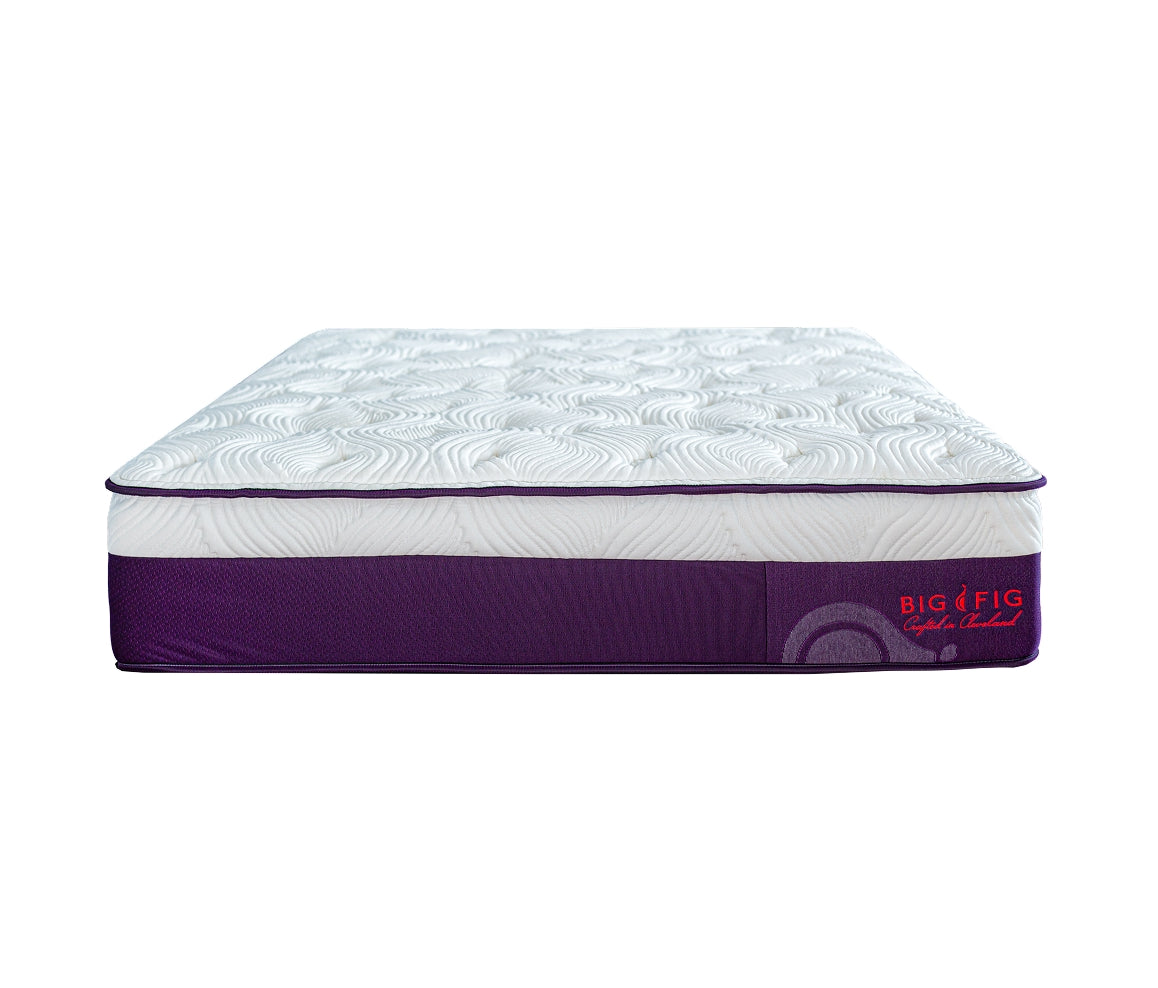
Mattress Construction
Four layers combine to give the Big Fig its firmer, support-first feel.
Top Layer
1/2-inch gel-infused, ventilated latex foam for comfort and added airflow.
Second Layer
Three 1-inch layers of high-density poly foam that disperse the sleeper's weight evenly over the coils.
Third Layer
1,600 individually wrapped coils — almost double the coil count of other beds — providing the core support.
Mattress Cost
The Big Fig costs more than average, reflecting both its heavier-duty materials and its 20-year warranty.
| Option | Price |
|---|---|
| Twin | $1,199 |
| Full | $1,399 |
| QueenPopular | $1,699 |
| King | $1,899 |
| Cal King | $1,899 |
Good to Know
A Mattress That Finally Fits an Overlooked Sleeper
Big Fig built a firmer, durability-tested bed for a sleeper category the mainstream mattress industry mostly ignores — and the extreme roller testing backs up the durability claim.