Flashfood Review 2026: Real Savings, Minus a $2.99 Fee
What Flashfood is, how buying and collecting actually works, and what the service fee does to the savings.
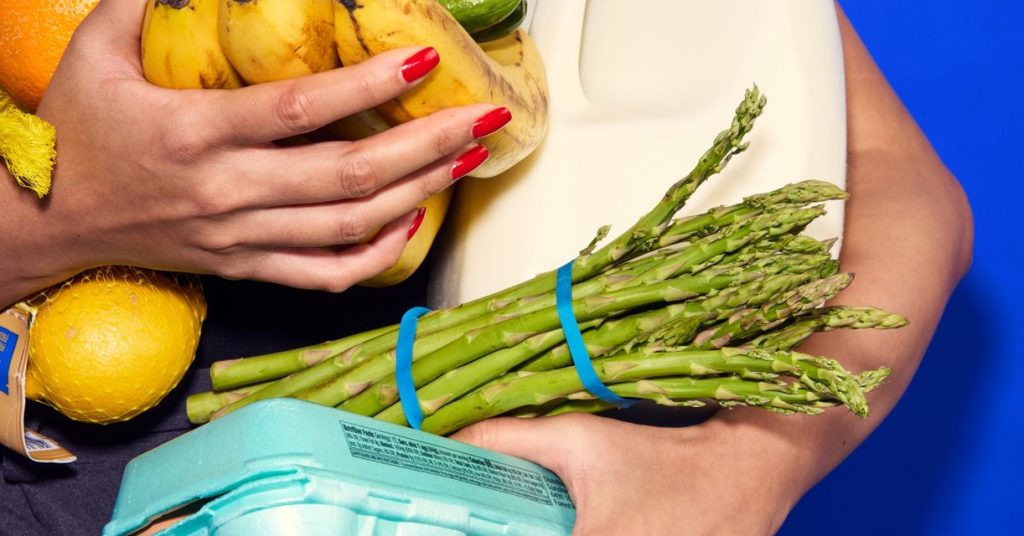
Everything on Flashfood is food your supermarket was about to throw out, sold at up to half off.
Cheap Groceries, With Conditions
Flashfood is a free app that sells your supermarket's surplus — food close to its best-before date that the store would otherwise mark down hard or throw out. You browse what your local store has listed, pay in the app, and collect it from a dedicated rack inside that store, usually near customer service. Nothing is delivered and nothing is shipped. There is no subscription and no points to collect: the discount comes straight off the price, up to about half.
It is an established operation rather than something that appeared last quarter. It runs inside named supermarket chains — Meijer, Stop & Shop, Giant, Tops and Loblaws have all carried it — and it holds 4.8 stars from around 22,000 App Store ratings and 4.1 from around 26,500 on Google Play. The company reports more than $370 million saved by shoppers and more than 145 million pounds of food kept out of landfill.
The part worth understanding before you download it is the service fee. Flashfood charges one on every order. It works out as a percentage of your total with a ceiling of $2.99, and the company never says what the percentage is — only where it stops. Since that ceiling is the one number you can plan around, here is what it does at its worst. Buy a $12 basket at half price and you have taken home $24 of groceries; add the full $2.99 and you have paid $14.99, which is 38% off rather than 50%. Do a $40 shop and the same $2.99 barely shows — $42.99 for $80 of food, about 46% off. The fee is the same size whatever you spend, so it costs you most on the smallest orders.
The other thing to know going in is that you are buying without looking. You pay in the app and collect afterwards, so you cannot pick up the package, check the meat, or judge how much life the produce has left. Most of the time that is fine. When it is not — an item has gone from the rack, or it is in worse shape than the listing suggested — you are into a refund process with a 14-day window that treats purchases as final sale and decides case by case. Slow refunds and hard-to-reach support are the two complaints that come up most consistently.
So it suits a particular shopper: someone whose usual supermarket already has it, buying a decent-sized basket, able to cook or freeze what they bring home within a day or two. On those terms the savings are large and they repeat every week. Used as an occasional $10 grab at a poorly stocked store, it is barely worth the space on your phone.
Why We Love It
- The discount comes off at checkout — no points to collect, no rebate to wait for, nothing to redeem
- Up to 50% off, and the produce box, its best-known item, usually runs about $9 to $10 for a mixed crate
- Free to use, with no subscription and nothing you have to buy to hold an account
- Runs inside supermarkets you already shop at, so there is no delivery slot to wait in
- Well rated by a lot of people: 4.8 from around 22,000 App Store ratings, 4.1 from around 26,500 on Google Play
- The service fee is shown before you pay, comes back if the order is refunded, and can be paid with Flashfood credits
- Real waste reduction behind it — the company reports more than 145 million pounds diverted from landfill
Considerations
- A service fee applies to every order, and Flashfood publishes only the $2.99 ceiling, never the rate
- At that ceiling a $12 half-price basket works out around 38% off rather than 50%
- You cannot inspect anything before buying — you pay in the app and find out at the pickup rack
- Purchases are final sale, with a 14-day refund window and nothing back for a missed pickup
- Slow refunds and unresponsive customer support are the most consistently recurring complaints
- Items missing from the rack when you arrive comes up often in user reports
- EBT cannot pay the service fee, so you need a card on the account regardless
- Coverage is regional, and plenty of areas still have no participating store at all
How Flashfood Works in Practice
Stock appears whenever a store marks something down, so what is available is genuinely unpredictable. You cannot fill a shopping list from Flashfood — you look at what is there and build around it. People who use it regularly describe checking the app in the morning, taking whatever looks good, and planning meals from that.
Everything listed is near its best-before date, so the clock starts when you collect. Meat and seafood are the biggest markdowns and the most time-sensitive; freeze them the evening you pick them up and they keep like anything else in the freezer. Produce is the variable one — some boxes arrive pristine, others need sorting the same day.
One store's Flashfood is not another's. It depends on how well an individual supermarket staffs and stocks the rack, which is why opinions about the app split so sharply along local lines. Someone with a well-run store nearby describes close to a permanent half-price grocery bill; someone whose store lists three items a day describes an app not worth opening. Judging Flashfood on one bad store is the most common way people get the wrong idea about it.
The app people usually compare it to is Too Good To Go, and the two do different jobs. Too Good To Go sells Surprise Bags from restaurants, cafes, bakeries and shops, starting around $3 — you do not choose what is inside, and you collect within a set window. Flashfood lists individual items at individual prices from a supermarket, so you know exactly what you are getting and can put together a real grocery order. Too Good To Go is the cheaper gamble on a meal; Flashfood is the one that fills a fridge.
The habit that makes it work
Buy in one decent-sized basket rather than several small ones, and deal with what you collect the same evening — freeze the meat, sort the produce. Neither costs you anything, and together they remove most of what people complain about.
We Recommend This To Readers Who:
-
Already shop at a participating store
Flashfood adds nothing to your route if your usual supermarket is not in the program. Whether it is or it isn't is the single strongest predictor of whether this works for you.
-
Cook, and can be flexible about what
The app rewards building meals around whatever happens to be marked down rather than filling a fixed list. If that sounds like a chore rather than a game, it will frustrate you.
-
Buy meat, produce and dairy in quantity
These are the steepest and most consistent markdowns, and a freezer turns a short date into an ordinary purchase.
-
Want the discount now, not later
There is no points balance, no minimum cash-out and no waiting on a rebate. The discount is simply the price you pay at checkout.
What You're Actually Buying
Everything on Flashfood is surplus stock a store would otherwise discount hard or discard. The categories behave quite differently once you get them home.
Produce boxes
Mixed crates of fruit and veg, usually around $9 to $10. The best value on the app and its top seller.
Dairy and bakery
Short-dated milk, yogurt, cheese and bread. The most reliable stock and the easiest to plan around.
What you won't find
No delivery and no shipping. Every order is paid for in the app and collected in person from the store.
What Flashfood Costs
The app itself is free. The only thing Flashfood charges on top of the food is a per-order service fee — a percentage of your total, stopping at $2.99. It does not publish the percentage.
| Option | Price |
|---|---|
| The Flashfood app | $0 |
| Service fee, maximum per order | $2.99 |
| Produce box, typical pricePopular | $9 |
Good to Know
Flashfood, Answered
The questions people actually search before downloading it.
Is Flashfood legit?
Yes. It is an established company operating inside named supermarket chains across the United States and Canada, and it is well rated by a large number of people — 4.8 stars from around 22,000 App Store ratings and 4.1 from around 26,500 on Google Play. The complaints that do exist are about service fees, missing items and slow refunds: ordinary operational grievances rather than signs of a scam.
Is the food safe to eat?
It is stock approaching its best-before date rather than past it, and for most groceries that date describes peak quality rather than safety. The real trade-off is time: you are expected to use or freeze it quickly, and you cannot inspect an item before buying because you pay in the app and collect afterwards.
How much does Flashfood cost?
The app is free and there is no subscription. Flashfood charges a variable service fee on every order, calculated as a percentage of the order total and capped at $2.99, with a minimum fee possible on small orders. It is disclosed before you pay, it is taxed, it can be paid with Flashfood credits, and it is refunded along with the order — but it cannot be paid with an EBT card.
What happens if an item is missing when I arrive?
You raise it with support through the Help tab in the app or the website, and Flashfood issues refunds on eligible orders within 14 days of purchase. Items are otherwise treated as final sale, and Flashfood does not refund cancellations, missed pickups or later price changes, though it states it reviews requests case by case. Refund speed is the most common source of frustration.
Is Flashfood or Too Good To Go better?
They are built for different things. Too Good To Go sells Surprise Bags from restaurants, cafes and bakeries starting around $3, and you do not choose what is inside. Flashfood lists individual supermarket items at individual prices, so you can see exactly what you are buying and assemble a real grocery order. If you want a cheap meal and do not mind the gamble, Too Good To Go. If you want to fill a fridge, Flashfood.
Does Flashfood have a referral code?
Yes. A new shopper entering a referral code gets $5 off a first order of $15 or more, and the referrer gets $5 once that order completes. It only works on accounts that have never made a purchase, and it cannot be applied retroactively. We keep a current code and the full terms on our sister site at couponsuck.com/flashfood-referral-code/.
Which stores have Flashfood?
Coverage is regional and changes. Chains including Meijer, Stop & Shop, Giant, Tops and Loblaws have carried the program, but whether your particular store participates is something only the in-app store finder can answer reliably. If nothing shows up near you, there is nothing the app can do for you yet.
Should You Download It?
If a participating store is already on your route, yes — the savings on meat and produce are big enough to change what a week's food costs, and there is very little downside to having it on your phone. Go in knowing two things: a service fee lands on every order and costs you proportionally most on the smallest ones, and you are buying without inspecting, which occasionally means a disappointing box and a slow refund. Shop in decent-sized baskets, freeze what you collect the same evening, and judge the app on a well-stocked store rather than a neglected one. If your nearest participating store is a drive away, the fee and the trip will eat most of the discount.