The Airweave is a bed with no foam, latex or springs. Instead, it uses Airfiber.
A Japanese import that skips foam, latex, and springs entirely in favor of a washable open-lattice fiber.

It's hard to explain how the Airweave feels, so sleepers should try it out for themselves.
Our research summaryA Genuinely New Approach to a Mattress
Airweave is better known for its mattress toppers, but its full mattress is unlike anything else in the category: no foam, no latex, no springs, just a proprietary material called Airfiber built into a dense support lattice. Based on our research and customer reports, this is a firm bed with very little sinkage or give.
That firmness comes with real advantages. The open-lattice construction lets air move freely through the mattress, which customer reports describe as keeping sleepers notably cool compared to dense memory foam. It's also unusually easy to maintain: the cover comes off and the Airfiber core itself can be rinsed with water, something no memory foam mattress can claim.
The tradeoff is comfort for sleepers who want cushioning. Customers have found the firmness borders on too much for some sleepers, and at around $1,300 for a queen, it costs more than many mattress-in-a-box competitors. A 60-night trial and free shipping soften the risk of trying it.
The Airweave isn't for everyone, but for sleepers who specifically want a firm, highly supportive, easy-to-clean bed built from an entirely different material category, it fills a niche nothing else in this space does.
Why We Love It
- Firm mattress with great support
- Airfiber construction helps sleeper maintain optimal temperature
- Easy to clean — the Airfiber core can be rinsed with water
- Made of 100% recyclable materials
Considerations
- Firmness is almost too much for some sleepers
- Higher priced than other mattress-in-a-box beds
What Our Research Found
Customer reports consistently describe the Airweave as very firm, with the Airfiber lattice offering a lot of support but little sinkage or softness. Support is where the material stands out most, forming a strong, dense foundation.
Cooling is the other consistent theme: unlike dense memory foam, which absorbs and holds heat, the open Airfiber lattice lets air flow through the mattress and keeps sleepers cool according to customer feedback.
A Genuinely Washable Mattress
Customers can remove the Airweave's cover and rinse the Airfiber core with water directly — a level of cleanability no foam or spring mattress can match.
We Recommend This To Readers Who:
-
Sleepers who like a firmer bed
The Airweave is a very firm mattress, harder than latex. Get the Airweave if you like a harder, supportive bed.
-
Sleepers who overheat
The Airfiber allows a significant amount of airflow through the mattress, pulling excess heat away during the night.
-
Sleepers who want a unique feeling bed
Anyone who has tried the Airweave says it's a feeling they have never experienced before.
A Closer Look


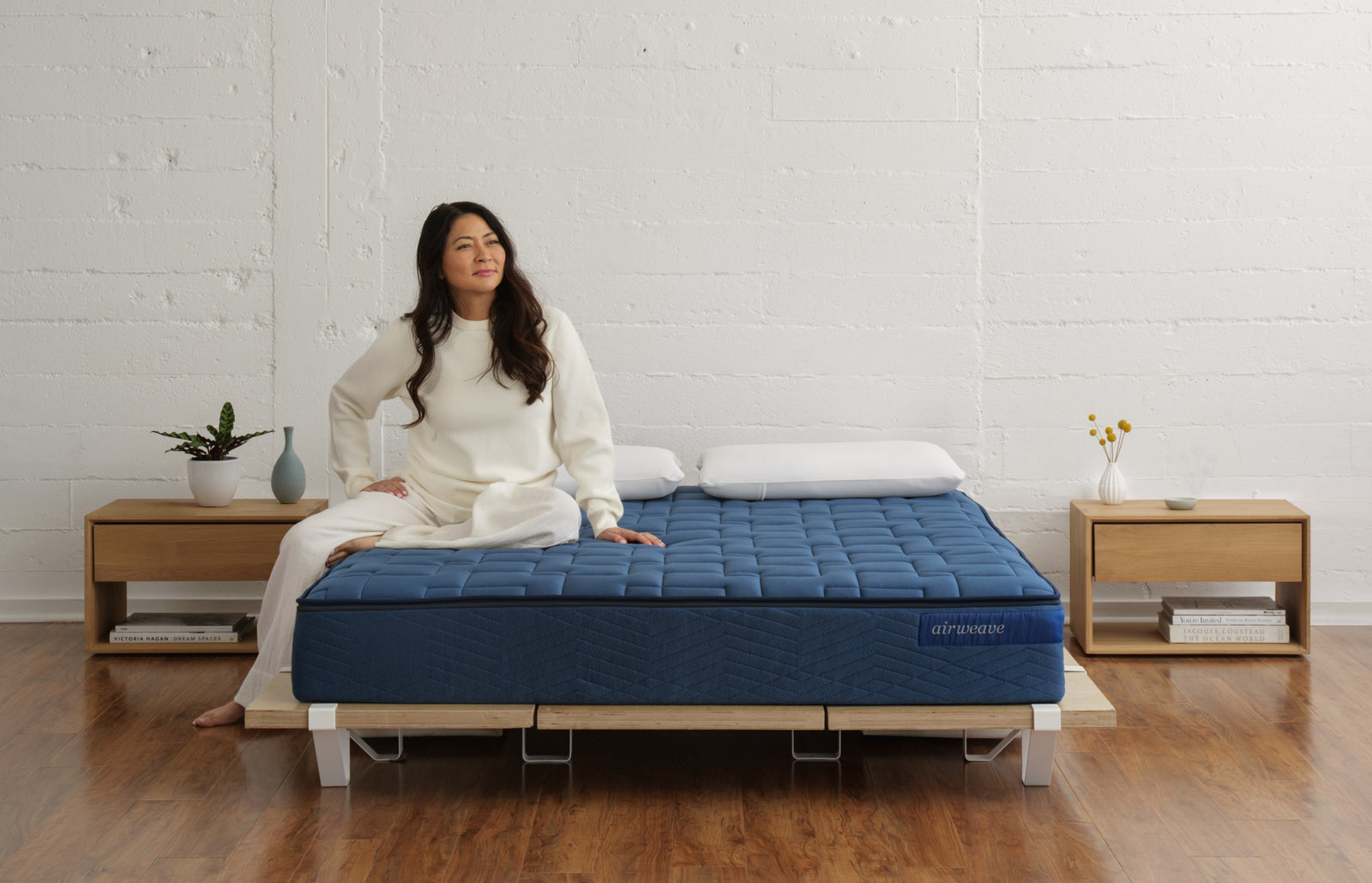
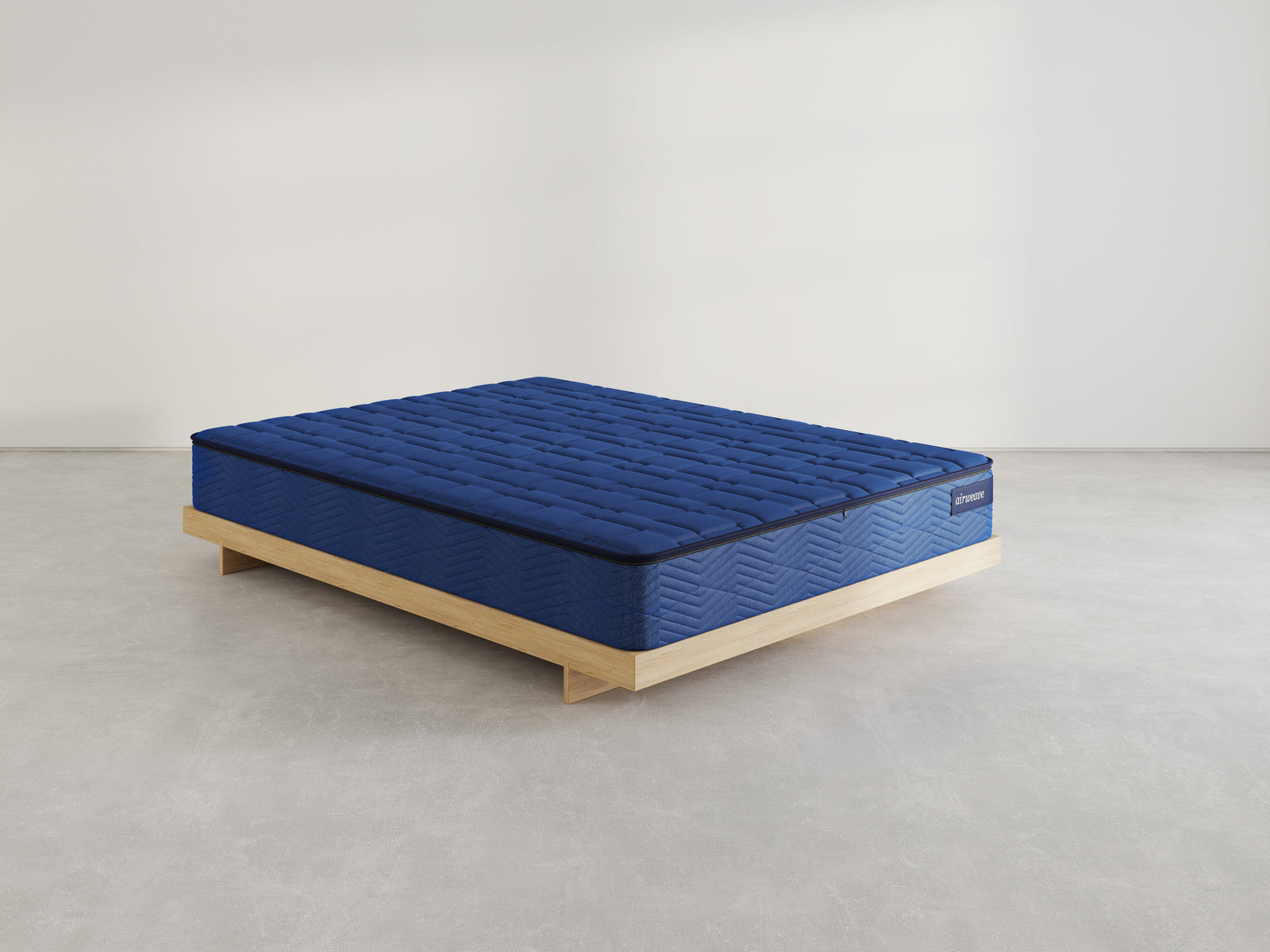
Mattress Construction
The Airweave uses just two components in place of the usual foam, latex, and spring layers.
Mattress Cover
A polyester-cotton blend that is soft, yet durable, and easy to remove for spills.
Main Layer
A solid layer of Airfiber — 100% interwoven polyethylene fibers that facilitate airflow and distribute the sleeper's weight.
Airweave Cost
The Airweave is more expensive than the average mattress-in-a-box, with a queen running around $1,300.
| Option | Price |
|---|---|
| Twin | $1,000 |
| Full | $1,200 |
| QueenPopular | $1,300 |
| King | $1,500 |
| Cal King | $1,500 |
Good to Know
The Bottom Line
The Airweave brings a genuinely new material to the mattress category — firm, cool, and washable in a way foam and springs can't match. It's a fit for sleepers who specifically want that firm, supportive feel.